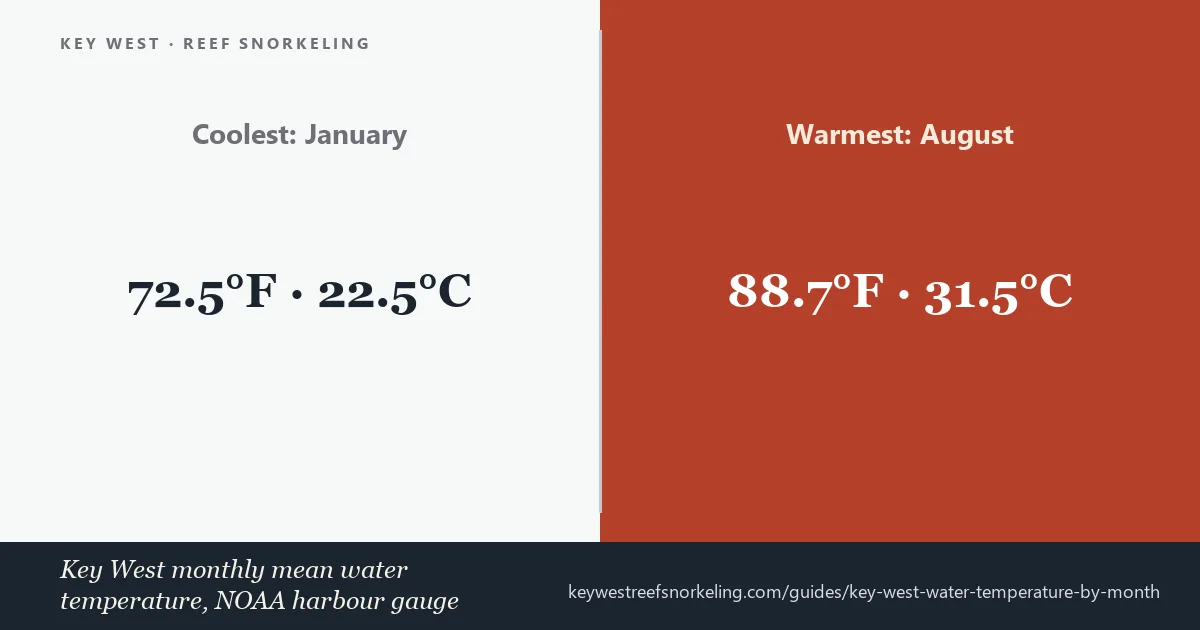
Key West’s water averages 72.5 °F (22.5 °C) in January, the coolest month, and 88.7 °F (31.5 °C) in August, the warmest. From November to April the monthly averages sit in the 70s °F; from May to October they sit in the 80s. These are NOAA’s long-term monthly means for its Key West tide-station gauge, which sits in the harbour, so use them as a guide to the reef: offshore reef water runs a little cooler than the harbour in summer and can drop lower after a winter cold front. Pack a rash guard in every month, and in January and February take the wetsuit if your boat offers one.
If you are booking now, an afternoon trip puts you in the water in the middle of the day. Sunset Watersports’ Afternoon Reef Snorkeling with Open Bar leaves the Historic Seaport at 1:00 p.m., runs three hours and costs from $59 per person (checked November 2026), with 4.5 from 492 reviews on Viator. Our review covers the boat and the bar.
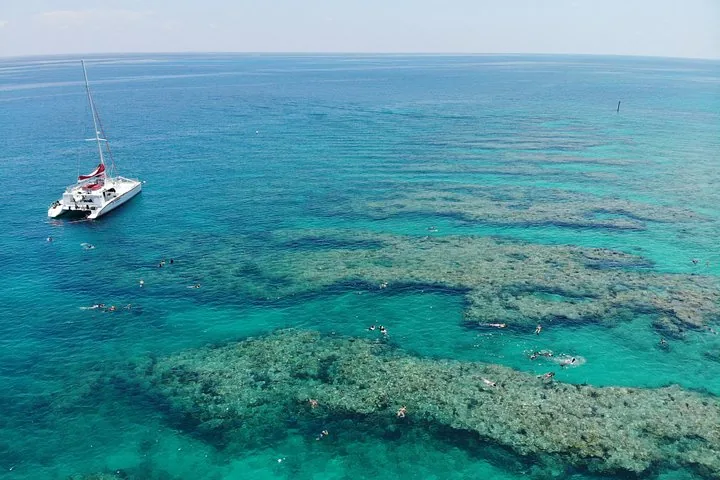
Key West Afternoon Reef Snorkeling with Open Bar
- 4.5/5 (492 reviews)
- About 3 hours
- Free cancellation
- Operated by Sunset Watersports
Includes Expert snorkeling instruction from the crew · Use of snorkeling equipment · Free beer on the sail back
You'll choose your date and complete the booking on Viator. Free cancellation under Viator's standard terms; the booking page shows the deadline.
Key West water temperature by month
The figures below are monthly mean water temperatures from NOAA’s National Centers for Environmental Information (NCEI), for the Key West gauge, station 8724580. NCEI retired its Coastal Water Temperature Guide in May 2025, but the data are still published. The Celsius column is a straight conversion of the Fahrenheit means.
| Month | Water °F | Water °C | What to wear for a reef snorkel |
|---|---|---|---|
| January | 72.5 | 22.5 | Wetsuit if offered, or a long-sleeve rash guard at least |
| February | 73.8 | 23.2 | Wetsuit if offered, or a long-sleeve rash guard at least |
| March | 75.9 | 24.4 | Rash guard; a thin wetsuit if you feel the cold |
| April | 78.9 | 26.1 | Swimsuit and rash guard |
| May | 83.1 | 28.4 | Swimsuit and rash guard (for sun) |
| June | 86.3 | 30.2 | Swimsuit and rash guard (for sun) |
| July | 87.6 | 30.9 | Swimsuit and rash guard (for sun) |
| August | 88.7 | 31.5 | Swimsuit and rash guard (for sun) |
| September | 87.2 | 30.7 | Swimsuit and rash guard (for sun) |
| October | 83.7 | 28.7 | Swimsuit and rash guard |
| November | 78.3 | 25.7 | Swimsuit and rash guard; a layer for the ride back |
| December | 75.3 | 24.1 | Rash guard; wetsuit if offered and you feel the cold |
The year has a simple shape. The water bottoms out in January and February, climbs about 3 °F a month through spring, sits above 86 °F from June to September, and falls quickly again in October and November. The steepest drop is from October (83.7 °F) to November (78.3 °F).
What each range feels like in the water
A snorkeler floats still at the surface for long stretches, which is why water that sounds warm on paper can feel cool after half an hour. These are practical bands, built on the monthly means above.
- Low 70s °F (January, February). The first plunge is a shock, and most people start to feel chilled on a long swim. This is wetsuit water if you plan to stay in for the full stop.
- Mid 70s °F (March, December). Comfortable for a short swim in a rash guard. On a windy, cloudy day the breeze on wet skin after you climb back aboard is the cold part, so keep a towel and a dry layer in your bag.
- High 70s °F (April, November). Warm enough for most people to stay in for the whole stop in a swimsuit and rash guard.
- 80s °F (May to October). Warm enough to stay in as long as the crew allows. Your concern now is sun on your back.
The live harbour reading on 1 November 2026, at about 2:40 a.m., was 81.3 °F, three degrees above the November mean. A single reading is one moment at one spot, so plan with the monthly mean and check the live figure the day before.
Other experiences
Other Key West snorkeling trips to compare
More ways to explore the area. Each listing shows its own cancellation policy.
Harbour gauge versus reef water
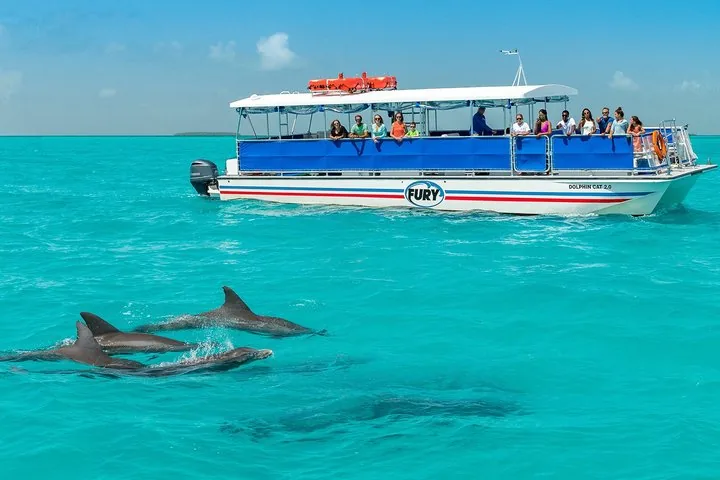
The NOAA gauge (also listed by the National Data Buoy Center as KYWF1) measures shallow water in Key West’s harbour. Shallow, sheltered water heats up more in summer than the open sea, and it can also read colder for a few days after a cold front. The reefs where snorkel boats stop are about seven miles offshore on the Atlantic side, according to Fury Water Adventures.
The operators’ own figures show the gap. Fury says its reef-trip water is in the low-to-mid 80s °F in summer, below the harbour’s 86 to 89 °F, and that in winter it “can dip into the mid-60s”. Fury’s blog puts December water in the mid to upper 70s, close to the 75.3 °F harbour mean.
Single winters can also run well below the long-term averages. In January 2025 the same gauge averaged about 70 °F, and its lowest reading that month was about 65 °F. In February 2024 it averaged about 71 °F. So for a January or February trip, plan for low 70s at best and mid-60s on a bad day after a front.
Rash guard, shorty or full wetsuit
You do not need a wetsuit to snorkel in Key West in most months. What you need depends on the month and on how long you plan to stay in.
- A rash guard is useful all year. In summer it is sun protection: NOAA recommends long sleeves and a rash guard to cut the amount of sunscreen that goes into the water, and suggests mineral sunscreens based on zinc oxide or titanium dioxide. Fury requires reef-safe sunscreen on its boats and hands out mineral sunscreen free on its snorkel trips.
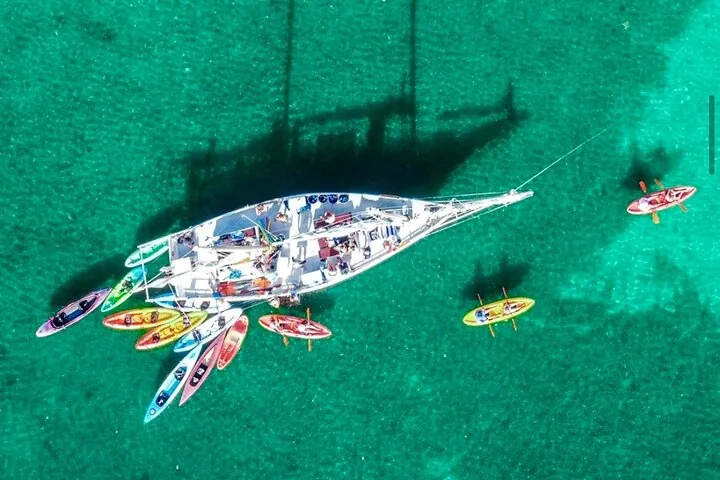
- A wetsuit matters in January and February. Fury says travelers visiting in those months “may prefer to use the wetsuits we provide”. Danger Charters lists “comfortable wetsuits for the winter months” on its half-day kayak, snorkel and sail trip. Other listings do not mention wetsuits, so ask before you book if you want one.
- Bring a dry layer from November to March. The ride back is the cold part of a winter trip: you are wet and the boat is moving into the wind.
If you run cold, a simple fix is a 2 to 3 mm shorty or a long-sleeve neoprene top from home. It packs small and covers the gap between the January water and a swimsuit.
How to check the water temperature before your trip
The gauge behind the monthly averages still reports live. The National Data Buoy Center’s station page for KYWF1 shows the latest water temperature, air temperature and wind at the Key West harbour, updated through the day. Remember it is harbour water: on a summer afternoon the reef will usually be a little cooler, and after a winter front the reading can drop for a day or two before it recovers.
Wind matters as much as temperature for a snorkel day. The National Park Service notes that winter is usually windier than summer in this part of the Keys, so seas are usually rougher. If the forecast for your date shows a strong front coming through, keep a later day free so the trip can move. Our winter snorkeling guide goes through cold fronts and what happens to a booking when the boat stays in port.
Which months suit which trip
In every month the boats go out; the water temperature changes which trip makes sense.
- June to September: warmest water, so long snorkel stops are comfortable. Any reef trip works; a double-dip trip with two stops gets the most out of it.
- April, May, October and November: warm enough for a full stop in a swimsuit. Morning, afternoon and sunset trips all run.
- December to March: cooler water and more wind. A trip with a wetsuit on board, or one that mixes snorkeling with dolphin watching or a sail, keeps your time in the water shorter.
For the season-by-season picture, including hurricane season and spring break, see our guide to the best time to snorkel in Key West. The month guides cover the booking decision in detail for November, December, January and February.
Frequently asked questions
What is the Key West water temperature today?
Check the National Data Buoy Center’s KYWF1 station page, which reports the harbour water temperature through the day. On 1 November 2026 it read 81.3 °F in the early morning. Reef water offshore can differ by a few degrees.
What is the average water temperature in Key West by month?
The NOAA monthly means for the Key West gauge are 72.5 °F in January, 73.8 °F in February, 75.9 °F in March, 78.9 °F in April, 83.1 °F in May, 86.3 °F in June, 87.6 °F in July, 88.7 °F in August, 87.2 °F in September, 83.7 °F in October, 78.3 °F in November and 75.3 °F in December.
Can you swim in Key West in March?
Yes. The harbour water averages 75.9 °F (24.4 °C) in March, and snorkel boats run as usual. Most people are comfortable in a rash guard for a short stop; if you feel the cold, ask for a wetsuit.
How warm is the water in Key West in October?
The October mean is 83.7 °F (28.7 °C), still in the 80s and warm enough for a full snorkel stop in a swimsuit. October is also inside hurricane season, which runs to 30 November.
Do you need a wetsuit to snorkel in Key West?
Only in the coolest months, and only if you feel the cold. Fury suggests its wetsuits for January and February visitors, when the harbour mean is 72.5 to 73.8 °F and reef water can dip into the mid-60s. From April to November a swimsuit and a rash guard are enough for most people.
Pick your morning or afternoon
Reef trips leave Key West most days of the year. Wind decides which reef the captain chooses, so check your date and book with free cancellation where you can.
Check dates and prices